Tissue Culture
Lab Setting
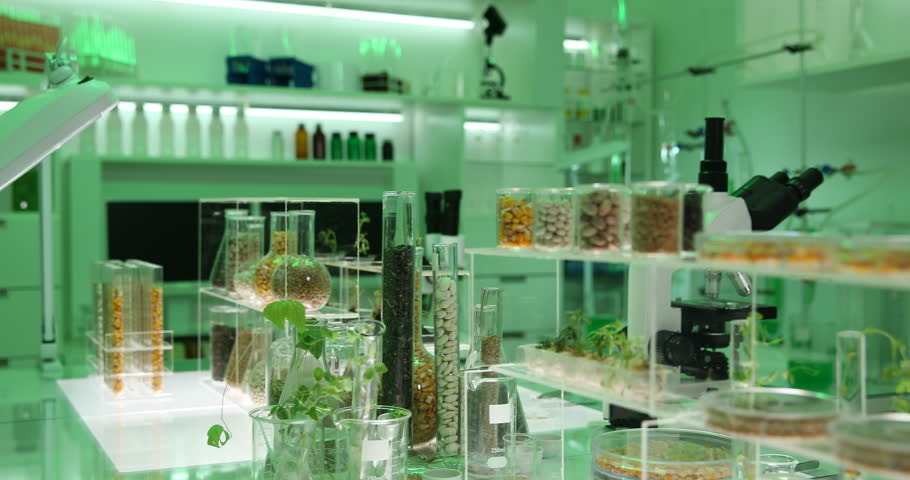
The success of a tissue culture laboratory is influenced by its design and furnishings. Key factors include sterility, ease of operation, plant growth support, and work comfort. A tissue culture lab may serve for teaching, research, commercial production, or hobby, each with unique design requirements. In commercial settings, efficiency is critical. The same design principles apply to teaching and research labs, scaled as necessary.
Key Considerations:
- Location: Consider land cost, utilities, workforce access, and air quality. An industrial location may require advanced air filtration.
- Structure: Ensure air-tight construction, insulation, air conditioning, and appropriate air filtration, especially in areas with chemical use.
- Floor Plan: Work areas should facilitate a clean, efficient workflow with features like positive air pressure and tacky mats in clean zones.
Aseptic Technique
Plant tissue preparation requires aseptic conditions and is conducted under filtered air. The sterile tissue is grown in containers within a growth room. Plant material surfaces are sterilized before being placed on a sterile culture medium, influencing tissue morphology based on the hormone balance in the medium.
Culture
Plant tissue for culture, known as an explant, can come from shoots, leaves, roots, or cells capable of division. Cultures are transferred to new media to support growth and morphological changes as needed. Skilled tissue culturists manage this process to achieve desired outcomes.
Vegetative Propagation
Grafting
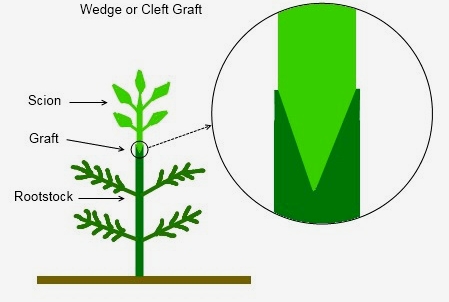
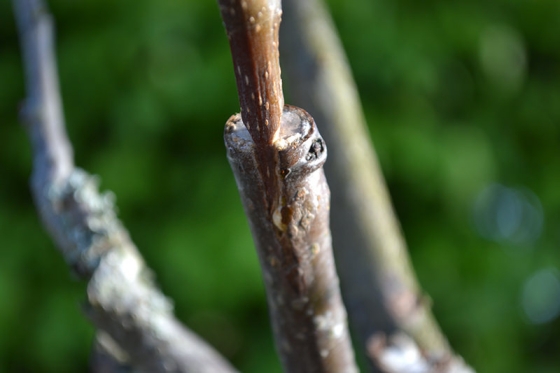
This is a horticultural technique whereby tissues of plants are joined so as to continue their growth together.
Stem cuttings
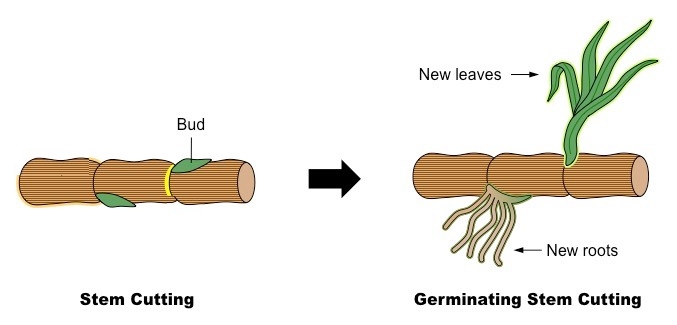
Stem cutting refers to a process used during vegetative propagation whereby a piece of the plant’s stem is rooted into a growth medium such as moist soil. Consequently, the stem cutting will thrive and grow as a new plant.
Aeroponics and Hydroponics
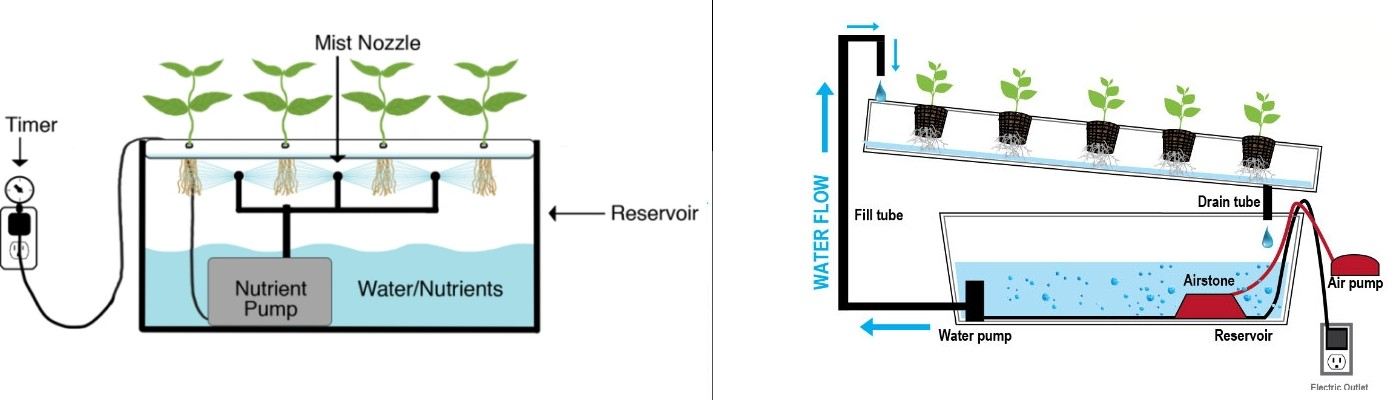
Aeroponics is an indoor gardening practice in which plants are grown and nourished by suspending their root structures in air and regularly spraying them with a nutrient and water solution. See diagram below.
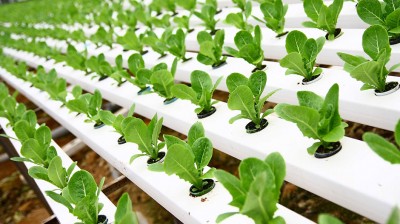
Hydroponics plants are grown without any soil and are constantly fed a nutrient solution that is pumped from a tank (reservoir) and is often continually recycled throughout the system.
Plants grown in a hydroponic garden are usually grown in trays that are slightly angled to allow the nutrient solution to flow back to the holding tank through gravity. The plants, which are grown without soil, are anchored in the trays with an inert material such as clay, sand, rockwool, or coco coir.
Depending on the aeroponic system, nutrients may be sprayed manually at intervals throughout the day and night, but most aeroponic systems have one or more pumps that automatically keep plants nourished without constant supervision. As long as the system is sealed and nutrient mist is consistently pumped to the roots, plants should thrive in an aeroponic environment.