Housing
Proper housing is crucial for successful poultry farming. Poultry birds can be raised in both free-range and indoor production systems, and they require well-managed environments to thrive. Good housing supports effective ventilation, lighting, temperature control, and litter management, all of which contribute to improved productivity and welfare. Proper housing not only keeps poultry birds healthy but also increases production and income.
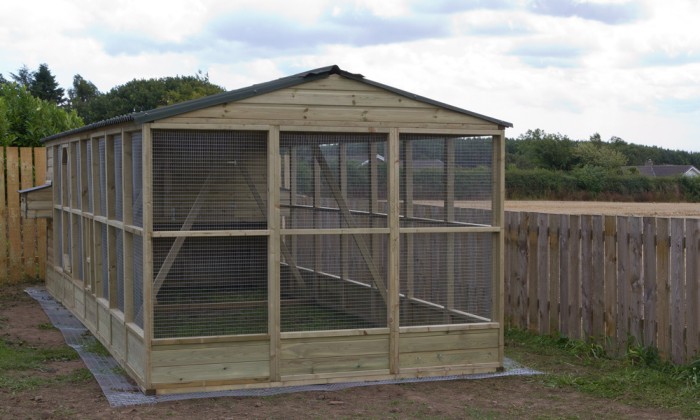
A well-designed poultry house should offer protection from extreme weather conditions such as cold, rain, wind, and heat. It should also provide warmth during brooding periods and in cold seasons and offer safety from predators. Poultry houses come in various designs, from simple shelters to portable or permanent structures, depending on the farming needs and location.
Feeding
Success in the poultry farming business largely depends on quality feed and a well-balanced formulation system. Proper feed is essential for growth, egg production, and overall health.
Essential Nutrients: nutrients are often derived from natural sources such as pasture, grains, seeds, insects, sunlight, and gravel, which collectively meet poultry’s nutritional needs.
Water:Adequate supply of fresh water is crucial. Insufficient water can hinder growth in young poultry and lead to early molting in laying flocks, directly affecting egg production.
Protein: is a key component and also the most expensive. Both animal and vegetable proteins are beneficial, though animal protein is often preferred for its quality.
Carbohydrates: provide essential energy, especially important for a hungry flock. Grains and grain products are excellent sources of carbohydrates for poultry.
Minerals: and phosphorous are essential for bone and eggshell health. Calcium carbonate, found in vitamin D, is particularly important, while excess phosphorous can lead to issues like crooked bones.
Vitamins:
- Vitamin A: Sourced from green ingredients, yellow corn, and fish oils, it helps protect poultry from infections.
- Vitamin D: Vital for preventing leg weakness and rickets; commonly found in sea fish and synthetic products.
- Vitamin B Complex: Available in milk, liver, and synthetic sources, it supports growth and prevents curled-toe paralysis in chicks.
Poultry Feed Ingredients
- Wheat: A highly nutritious grain for poultry, suitable for year-round feeding.
- Barley: A high-fiber grain, useful as a fat source.
- Corn: Can be fed whole, cracked, or ground. Suitable for hens when mixed with other grains.
- Millet: Aids digestion and is beneficial for growth, laying, and fattening rations.
- Rye: Can be used in small quantities but may cause digestive issues if overused.
- Flax: High in protein, suitable for adding protein to feed.
- Skim Milk and Butter Milk: Excellent for young chicks and laying hens; essential for high-quality egg production.
- Balancers and Concentrates: Supplements from feed companies that enhance homemade mixtures.
- Fish Oil: Rich in vitamins A and D, especially valuable when pasture and sunlight are limited.
Treatment
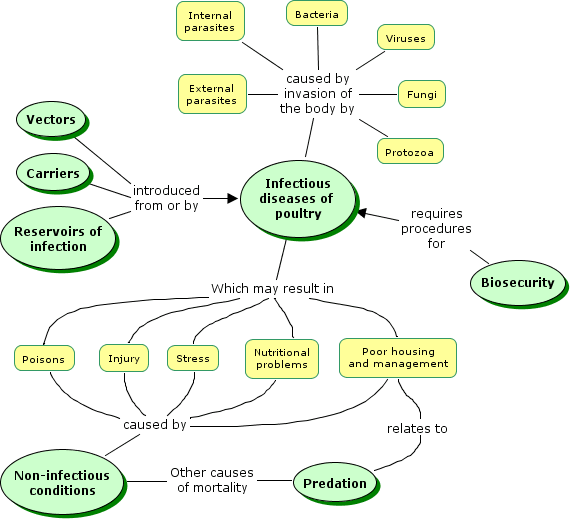
Chickens often exhibit similar symptoms for a range of ailments, which can make early detection challenging. Chickens may appear to be healthy until they are severely ill, as they tend to hide symptoms. Diseases can stem from a combination of indirect and direct causes.
Indirect causes, like inadequate nutrition or poor housing, may weaken a chicken's immune system or increase exposure to infectious organisms. In turn, this makes chickens more susceptible to infectious diseases.
Direct causes of disease in chickens are often categorized into two groups: infectious and non-infectious. Proper nutrition, clean housing, and proactive management are essential to reducing the risk of illness.