Housing
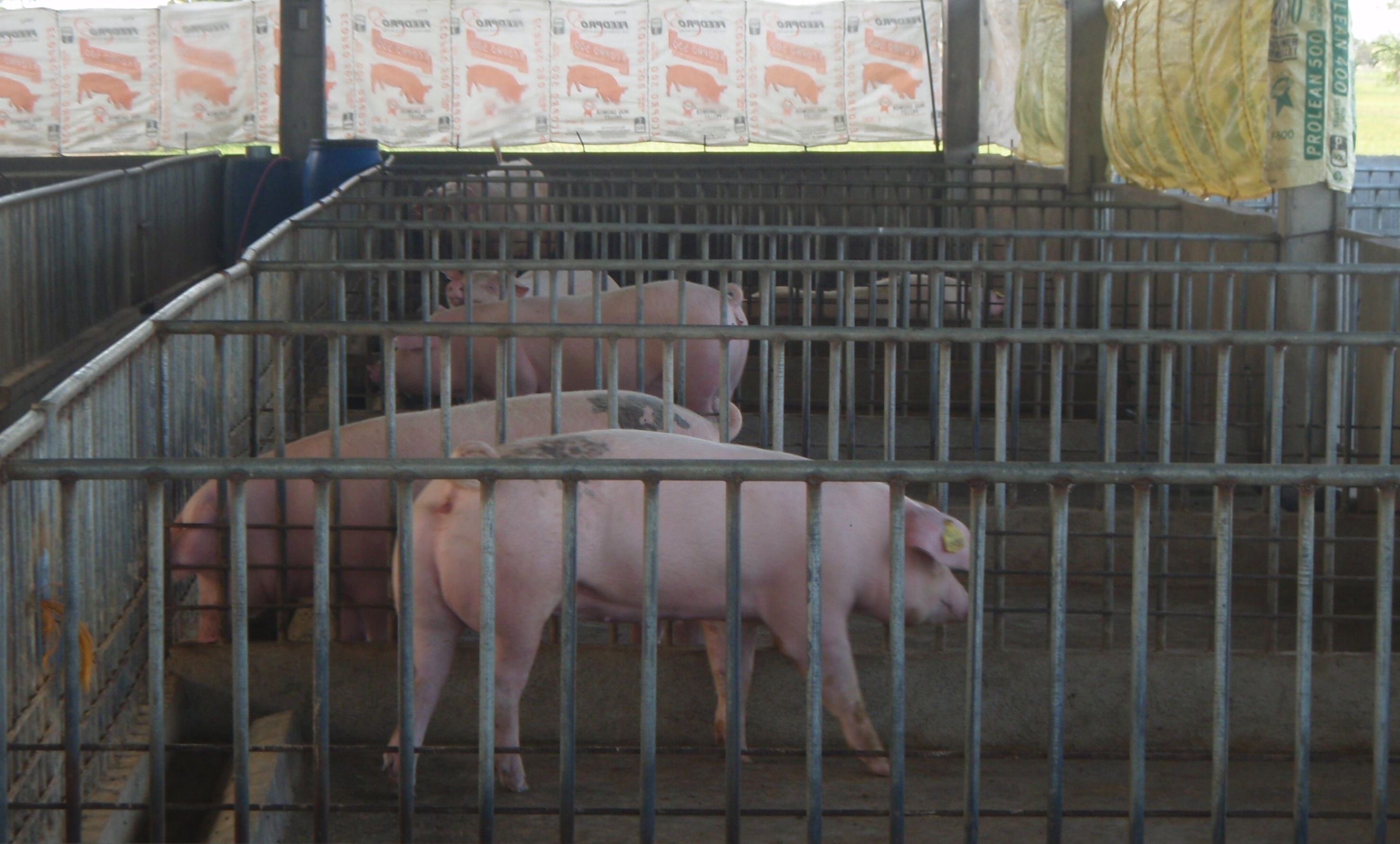
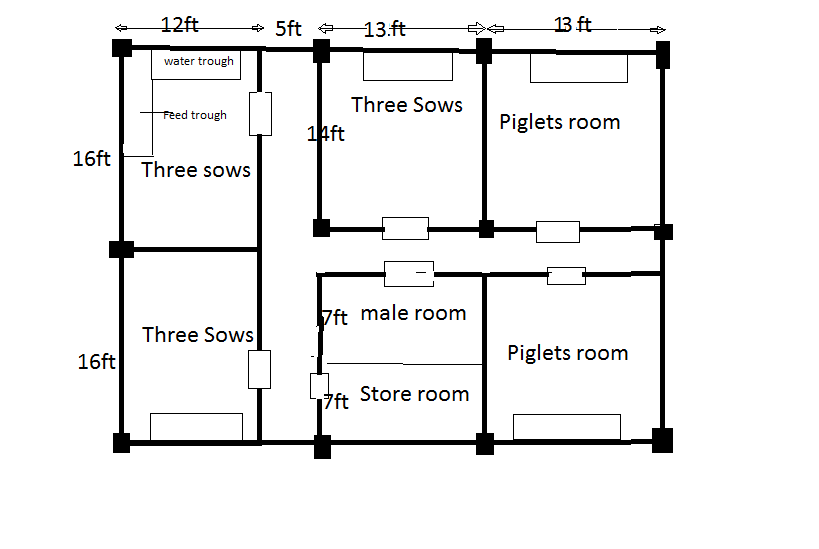
Pigs are very strong and they need sturdy living quarters. Air circulation and shade are vital. Pigs are very sensitive to temperature. Generally, adult pigs are very sensitive to hot temperature and the piglets are affected adversely by cold temperature. So, controlled temperature can help to maximize the growth and production. Keeping the piglets with their mother in a separate house is a good idea. Separate the feeding and bedding place and try to keep the house neat and clean always.
Feeding
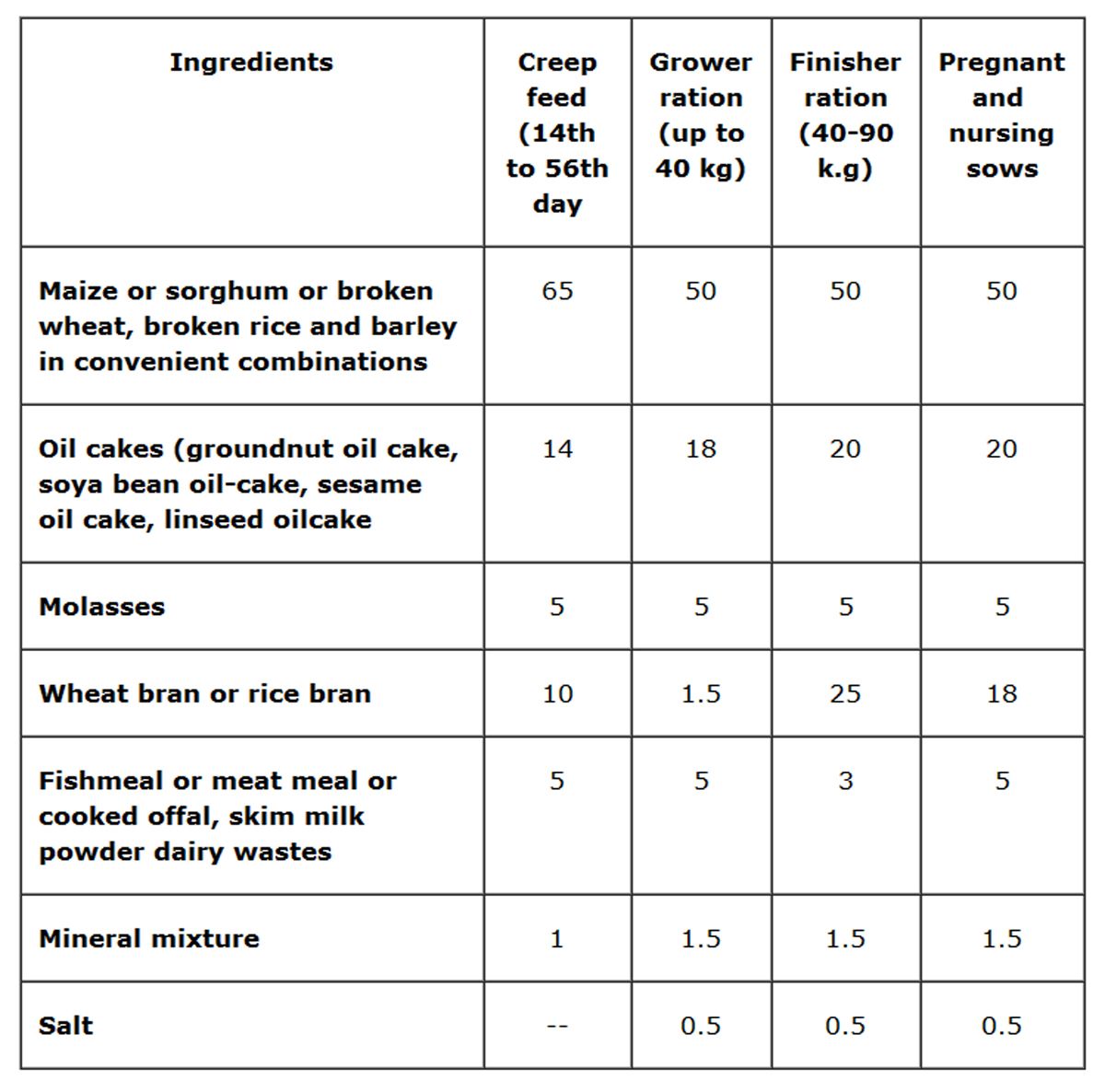
Feeding is one of the most crucial aspects of pig farming in Kenya, as good and nutritious food ensures better production. Pigs are omnivorous and can consume both meat and grains. You can feed your pigs a wide range of foods, including roughage, kitchen scraps, agricultural waste, and stalks from beverage production.
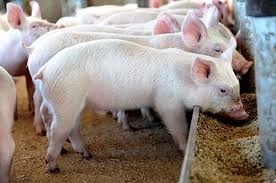
Pigs can also eat cooked table scraps and vegetables. Corn is a staple for pigs, but adding protein from sources like soybeans or cooked meat, along with vitamins and supplements, helps them grow faster. Piglets, in particular, require high-protein food for optimal development. Along with nutritious food, always provide fresh, clean water daily. This keeps pigs healthy and directly influences profitability in pig farming.
Treatment
Working closely with a veterinarian is essential in pig farming. A vet typically visits monthly for herd health checks. If a pig requires urgent care outside these visits, the vet makes an extra trip to attend to it. Diagnostic tests, such as blood tests, may be conducted to identify health issues and determine the best treatment plan. In cases of severe illness, the veterinarian may adjust their schedule to provide immediate care.
When infections occur, pigs may need antibiotics prescribed and administered under the vet's guidance. Some antibiotics can be given as a shot.
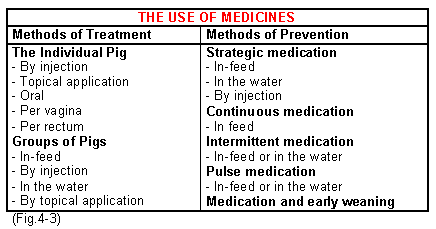
When multiple pigs in the same pen start to get sick, alternative methods for administering antibiotics may be necessary to prevent the illness from spreading. Catching and restraining each pig for injections is time-consuming, costly, and stressful for the animals. Administering antibiotics through water is a practical way to treat both visibly sick pigs and those in early stages of illness.
For antibiotics that cannot be given through water, mixing them with feed is a viable alternative. Feed-based antibiotics are typically used in similar cases as water-based ones but require different types of medication that can be consumed with food.